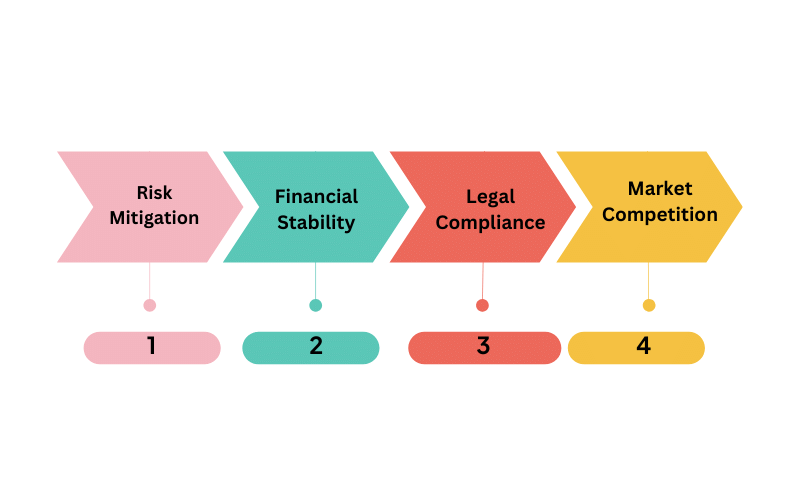

Export insurance, also known as export credit insurance, is a type of insurance that protects exporters against the risk of non-payment by foreign buyers. It can cover both political and commercial risks, such as war, civil unrest, currency inconvertibility, and bankruptcy.
Export insurance is an important tool for businesses that export goods or services. It can help to protect them from financial losses and give them the confidence to enter new markets. Export insurance can also be used to obtain financing from banks and other lenders.
The history of export insurance dates back to the early days of international trade. The first known export insurance policy was issued in the United Kingdom in 1720. Today, export insurance is offered by a variety of government and private insurers around the world.
asuransi ekspor
Asuransi ekspor, or export credit insurance, is a key tool for businesses that export goods or services. It can help to protect them from financial losses and give them the confidence to enter new markets. Export insurance can also be used to obtain financing from banks and other lenders.
- Protection against non-payment: Export insurance can cover the risk of non-payment by foreign buyers, both for political and commercial reasons.
- Access to new markets: Export insurance can give businesses the confidence to enter new markets, even if they are considered to be high-risk.
- Improved cash flow: Export insurance can help businesses to improve their cash flow by providing them with access to financing.
- Reduced risk: Export insurance can help businesses to reduce their overall risk profile, which can make them more attractive to investors and lenders.
- Peace of mind: Export insurance can give businesses peace of mind, knowing that they are protected against financial losses in the event of non-payment by foreign buyers.
- Government support: Export insurance is often supported by governments, which can make it more affordable for businesses to obtain.
In conclusion, asuransi ekspor is an important tool for businesses that export goods or services. It can help to protect them from financial losses, give them the confidence to enter new markets, and improve their overall risk profile. Export insurance is also supported by governments, which can make it more affordable for businesses to obtain.
Protection against non-payment
Non-payment by foreign buyers is a major risk for businesses that export goods or services. This risk can be caused by a variety of factors, including political instability, currency inconvertibility, and bankruptcy. Export insurance can help to protect businesses from these risks by providing them with coverage for non-payment.
Asuransi ekspor, or export credit insurance, is a type of insurance that specifically covers the risk of non-payment by foreign buyers. It can be used to protect businesses against both political and commercial risks. Political risks include war, civil unrest, and currency inconvertibility. Commercial risks include bankruptcy, insolvency, and protracted default.
Export insurance is an important tool for businesses that export goods or services. It can help to protect them from financial losses and give them the confidence to enter new markets. Export insurance can also be used to obtain financing from banks and other lenders.
One of the key benefits of export insurance is that it can help businesses to reduce their overall risk profile. This can make them more attractive to investors and lenders, and it can also help them to improve their credit rating.
Export insurance is a valuable tool for businesses that export goods or services. It can help to protect them from financial losses, give them the confidence to enter new markets, and improve their overall risk profile.
Access to new markets
Export insurance can play a vital role in helping businesses to access new markets, even if those markets are considered to be high-risk. This is because export insurance can provide businesses with the confidence they need to enter new markets, knowing that they are protected against the risk of non-payment by foreign buyers.
For example, a small business that manufactures clothing may be hesitant to enter a new market in a developing country due to the perceived risk of non-payment. However, if the business has export insurance, it can enter the new market with the confidence that it is protected against the risk of non-payment. This can give the business the opportunity to grow its sales and profits.
Export insurance is an important tool for businesses that want to enter new markets. It can provide businesses with the confidence they need to take risks and expand their businesses into new territories.
In addition to providing businesses with the confidence to enter new markets, export insurance can also help businesses to improve their cash flow and reduce their overall risk profile. This can make businesses more attractive to investors and lenders, and it can also help them to obtain financing at more favorable terms.
Overall, export insurance is a valuable tool for businesses that want to grow their international sales. It can provide businesses with the confidence, cash flow, and risk mitigation they need to succeed in new markets.
Improved cash flow
Access to financing is essential for businesses of all sizes, but it can be especially challenging for small businesses and businesses that are new to exporting. Export insurance can help businesses to improve their cash flow by providing them with access to financing from banks and other lenders.
One way that export insurance can help businesses to improve their cash flow is by reducing the risk for lenders. When a lender considers a loan application, they will assess the risk of the loan and determine the interest rate and other terms of the loan accordingly. Export insurance can reduce the risk for lenders by providing them with coverage for non-payment by foreign buyers. This can make it more likely that businesses will be approved for loans and can also help them to obtain loans at more favorable terms.
Another way that export insurance can help businesses to improve their cash flow is by providing them with access to pre-shipment financing. Pre-shipment financing is a type of financing that allows businesses to receive payment for their goods before they are shipped to the buyer. This can be helpful for businesses that need to purchase raw materials or other supplies in order to fulfill their export orders.
Overall, export insurance can be a valuable tool for businesses that want to improve their cash flow. It can provide businesses with access to financing from banks and other lenders, and it can also help them to obtain pre-shipment financing. This can help businesses to grow their sales and profits, and it can also help them to manage their cash flow more effectively.
Here is an example of how export insurance can help a business to improve its cash flow:
A small business that manufactures clothing exports its products to a number of countries around the world. The business has been growing rapidly, but it has been struggling to keep up with the demand for its products. The business has been using its own cash flow to finance its growth, but this has put a strain on its cash flow. The business has applied for a loan from its bank, but the bank is concerned about the risk of non-payment by foreign buyers. The business has obtained export insurance, which has reduced the risk for the bank. The bank has approved the loan, and the business has used the loan to purchase new equipment and hire additional staff. The business is now able to meet the demand for its products and is growing rapidly.
This is just one example of how export insurance can help a business to improve its cash flow. Export insurance is a valuable tool for businesses that want to grow their international sales.
Reduced risk
Asuransi ekspor, or export credit insurance, is a type of insurance that can help businesses to reduce their overall risk profile. This can make them more attractive to investors and lenders, which can lead to a number of benefits, including access to financing at more favorable terms and conditions.
- Reduced cost of capital: Businesses with a lower risk profile are typically able to obtain financing at lower interest rates and other costs. This can save businesses money and improve their profitability.
- Improved access to financing: Businesses with a lower risk profile are more likely to be approved for loans and other financing. This can give businesses the capital they need to grow and expand their operations.
- Improved credit rating: Export insurance can help businesses to improve their credit rating. This can make it easier for businesses to obtain financing and can also lead to lower interest rates and other costs.
Overall, export insurance can be a valuable tool for businesses that want to reduce their overall risk profile and improve their access to financing. This can lead to a number of benefits, including lower costs, improved profitability, and growth.
Peace of mind
Asuransi ekspor, or export credit insurance, is a type of insurance that can provide businesses with peace of mind. This is because it protects businesses against the risk of non-payment by foreign buyers. This can be a major concern for businesses that export goods or services to other countries, as there is always the risk that the buyer will not be able or willing to pay for the goods or services.
- Reduced financial risk: Export insurance can help to reduce the financial risk of exporting by providing businesses with coverage for non-payment. This can give businesses the confidence to enter new markets and expand their international sales.
- Improved cash flow: Export insurance can also help to improve cash flow by providing businesses with access to financing. This can be helpful for businesses that need to purchase raw materials or other supplies in order to fulfill their export orders.
- Increased competitiveness: Export insurance can help businesses to become more competitive in the global marketplace. This is because it can give businesses the confidence to offer more favorable payment terms to their foreign buyers.
- Enhanced reputation: Export insurance can also help businesses to enhance their reputation as a reliable supplier. This is because it shows foreign buyers that the business is committed to fulfilling its obligations.
Overall, export insurance can be a valuable tool for businesses that want to grow their international sales. It can provide businesses with peace of mind, reduce their financial risk, improve their cash flow, and increase their competitiveness in the global marketplace.
Government support
Pemerintah support to export insurance is of paramount importance in fostering a conducive environment for businesses to engage in international trade. Governmental involvement plays a crucial role in mitigating risks and providing financial assistance, thereby making export insurance more accessible and affordable for businesses.
- Reduced premiums: Government support can lead to lower premiums for export insurance, making it more affordable for businesses to obtain coverage. This is particularly beneficial for small and medium-sized enterprises (SMEs) that may not have the financial resources to purchase insurance at commercial rates.
- Expanded coverage: Government-supported export insurance programs often provide broader coverage than those offered by private insurers. This can give businesses greater peace of mind, knowing that they are protected against a wider range of risks.
- Access to financing: Governments can also provide financial assistance to businesses that purchase export insurance. This can help businesses to cover the cost of premiums and other related expenses.
- Political risk insurance: Government-supported export insurance programs often include coverage for political risks, such as war, civil unrest, and currency inconvertibility. This type of coverage is essential for businesses that export to high-risk markets.
In conclusion, government support for export insurance is a key factor in promoting exports and supporting businesses in their international endeavors. By reducing premiums, expanding coverage, providing financial assistance, and offering political risk insurance, governments can make export insurance more accessible and affordable for businesses, thereby fostering economic growth and creating jobs.
Frequently Asked Questions about Export Insurance
Export insurance, also known as export credit insurance, is a type of insurance that protects businesses against the risk of non-payment by foreign buyers. It can cover both political and commercial risks, such as war, civil unrest, currency inconvertibility, and bankruptcy.
Question 1: What are the benefits of export insurance?
Answer: Export insurance can provide businesses with a number of benefits, including protection against non-payment, improved cash flow, reduced risk, peace of mind, and increased competitiveness.
Question 2: What types of risks does export insurance cover?
Answer: Export insurance can cover both political and commercial risks. Political risks include war, civil unrest, and currency inconvertibility. Commercial risks include bankruptcy, insolvency, and protracted default.
Question 3: How much does export insurance cost?
Answer: The cost of export insurance will vary depending on a number of factors, such as the type of coverage, the amount of coverage, and the country of the buyer. However, government support can make export insurance more affordable for businesses.
Question 4: How can I obtain export insurance?
Answer: Export insurance is available from a variety of government and private insurers. Businesses can contact their local trade promotion organization or insurance broker to learn more about export insurance and how to obtain it.
Question 5: Is export insurance a good idea for my business?
Answer: Export insurance can be a good idea for any business that exports goods or services. It can provide businesses with peace of mind, protect them against financial losses, and help them to grow their international sales.
Question 6: Where can I learn more about export insurance?
Answer: There are a number of resources available to businesses that want to learn more about export insurance. Businesses can contact their local trade promotion organization, insurance broker, or the Export-Import Bank of the United States.
Summary of key takeaways or final thought: Export insurance is a valuable tool for businesses that export goods or services. It can help businesses to protect themselves against financial losses, improve their cash flow, reduce their risk, and increase their competitiveness in the global marketplace.
Transition to the next article section: For more information on export insurance, please visit the website of the Export-Import Bank of the United States.
Export Insurance Tips
Export insurance can be a valuable tool for businesses that export goods or services. It can help businesses to protect themselves against financial losses, improve their cash flow, reduce their risk, and increase their competitiveness in the global marketplace.
Tip 1: Consider export insurance for all export transactions. Even if you have a long-standing relationship with a buyer, things can happen that are beyond your control. Export insurance can protect you against the risk of non-payment in the event of a bankruptcy, political upheaval, or other unforeseen event.
Tip 2: Make sure you understand the coverage provided by your export insurance policy. There are different types of export insurance policies available, so it is important to choose a policy that meets your specific needs. Be sure to read the policy carefully and understand what is and is not covered.
Tip 3: File a claim promptly if you experience a loss. The sooner you file a claim, the sooner you can begin the recovery process. Be sure to provide your insurer with all of the necessary documentation to support your claim.
Tip 4: Use export insurance to improve your cash flow. Export insurance can provide you with access to financing, which can help you to improve your cash flow and manage your working capital more effectively.
Tip 5: Market your export insurance to your customers. Export insurance can give your customers peace of mind, knowing that they are protected against the risk of non-payment. This can help you to win new business and grow your export sales.
Summary of key takeaways or benefits: Export insurance can be a valuable tool for businesses that export goods or services. It can help businesses to protect themselves against financial losses, improve their cash flow, reduce their risk, and increase their competitiveness in the global marketplace.
Transition to the article’s conclusion: For more information on export insurance, please visit the website of the Export-Import Bank of the United States.
Kesimpulan
Asuransi ekspor adalah instrumen penting bagi dunia usaha yang melakukan ekspor barang atau jasa. Asuransi ini dapat membantu pelaku usaha melindungi diri dari kerugian finansial, memperbaiki arus kas, mengurangi risiko, dan meningkatkan daya saing di pasar global.
Pemerintah berperan krusial dalam mendukung asuransi ekspor, sehingga menjadikannya lebih terjangkau bagi pelaku usaha. Dukungan pemerintah melalui pengurangan premi, perluasan cakupan, pemberian subsidi, dan penyediaan asuransi risiko politik, mendorong dunia usaha untuk memanfaatkan asuransi ekspor.
Dengan memanfaatkan asuransi ekspor, pelaku usaha dapat mengembangkan bisnis ekspornya dengan lebih percaya diri, memperluas pasar, dan berkontribusi pada pertumbuhan ekonomi nasional.